Tempered Glass vs. Laminated Glass: Which One Is Safer?
Choosing the right type of glass is a critical decision in any construction project,
as it directly impacts safety, durability, and aesthetics.
Among the most commonly used glass types are
Tempered Glass and Laminated Glass.
In this article, Bahwan Metal & Glass Engineering Company (BMGE)
explains the key differences to help you make the right choice.
🔹 What Is Tempered Glass?
Tempered glass is heat-treated at very high temperatures and rapidly cooled,
making it significantly stronger than standard glass.
When broken, it shatters into small, blunt pieces,
reducing the risk of serious injury.
- Glass doors
- Shopfronts
- Railings and staircases
- Interior glass partitions

🔹 What Is Laminated Glass?
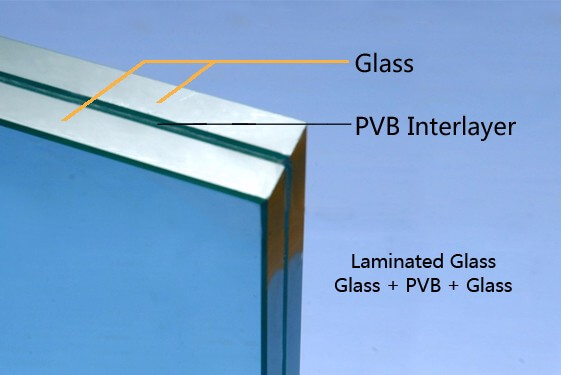
Laminated glass consists of two or more glass layers bonded together
with a transparent interlayer.
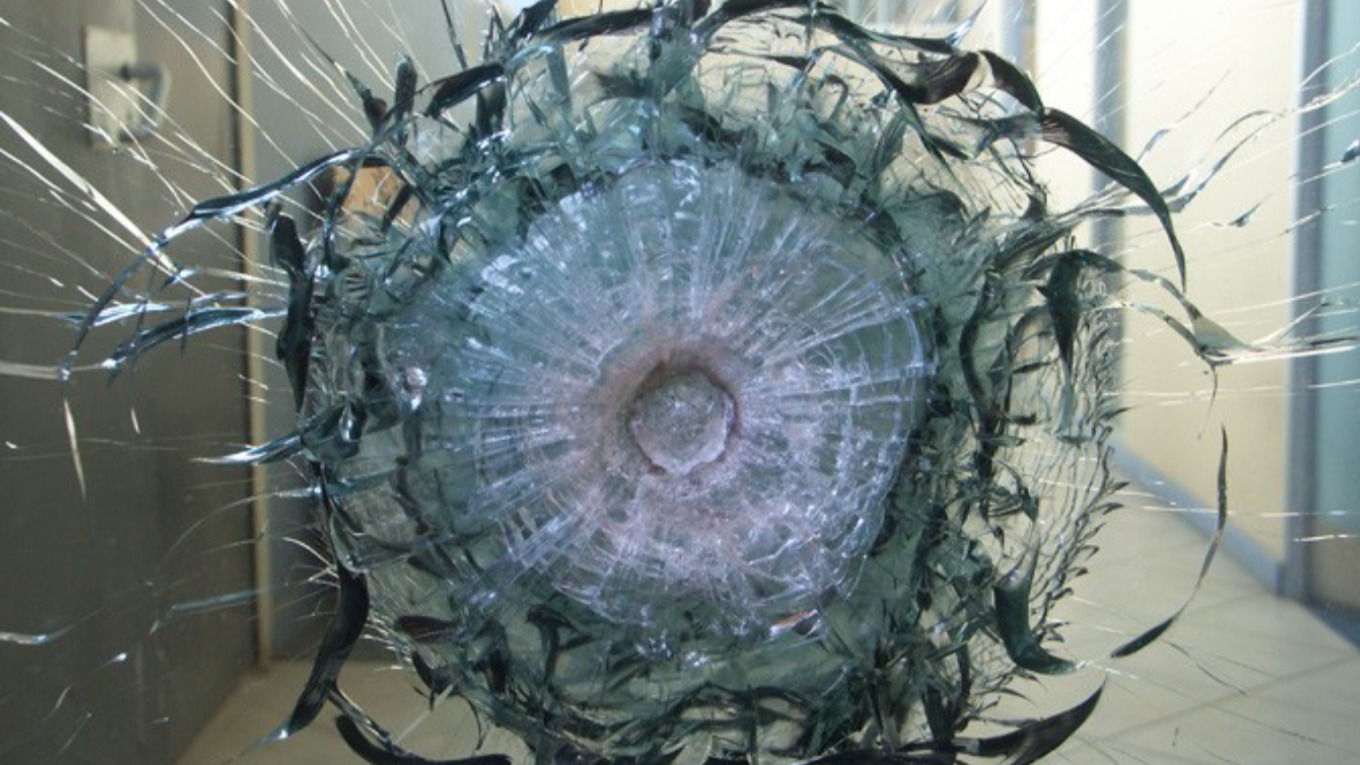
Even when broken, the glass remains intact,
as the fragments stick to the interlayer,
providing a higher level of safety.
- Large glass façades
- Windows facing busy roads
- Glass roofs and skylights
- Buildings requiring sound insulation
🔹 Quick Comparison
| Criteria | Tempered Glass | Laminated Glass |
|---|---|---|
| Safety Level | High | Very High |
| Breakage Behavior | Small blunt fragments | Stays bonded |
| Sound Insulation | Moderate | High |
| Fall Protection | Limited | Excellent |
| Cost | Lower | Relatively higher |
🔹 When Should You Choose Each Type?
Tempered glass is ideal for projects that require strength
and impact resistance at a reasonable cost.
Laminated glass is recommended for areas requiring maximum safety,
especially high-rise façades, large windows, and modern residential buildings.
🔹 BMGE Recommendations
At BMGE, we conduct a detailed engineering assessment before selecting the glass type,
ensuring full compliance with international safety standards.
Our solutions combine safety, performance, and architectural elegance,
delivering long-term value and reliable results for every project.