The Art of Glass: Between Beauty and Craftsmanship
Introduction
Glass art is one of the oldest and most fascinating art forms known to humanity. It combines artistic creativity with technical precision, transforming a transparent material into colorful works of beauty. Throughout history, glass art has reflected the progress of civilizations and the skill of human craftsmanship.
History of Glass Art
The origins of glassmaking date back to ancient Mesopotamia or Egypt around 2500 BCE. Early glass was used mainly for beads and small ornaments, but over time, it evolved into the production of vessels and decorative pieces.
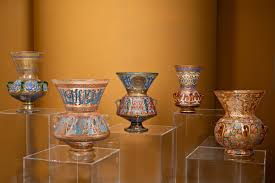
During the Islamic Golden Age, glass art flourished, especially in Syria and Egypt, where artisans developed the enameled and gilded glass that adorned mosques and palaces.
Types of Glass Art
- Stained Glass:
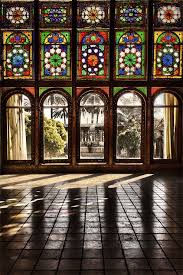
Made from colored glass pieces joined by lead strips, often used in windows of churches and mosques, creating a stunning play of light and color. - Blown Glass:
Created by blowing molten glass through a metal pipe to form objects such as vases and cups. - Cast and Sculpted Glass:
Glass is poured into molds or carved after cooling to produce decorative or sculptural works. - Mosaic Glass:
Small colored glass pieces are arranged to create patterns or images on walls or panels.
Glass Art in Islamic Culture
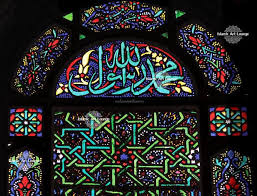
Islamic artists excelled in glassmaking, integrating geometric and floral designs into their works. The enameled and gilded glass of the 13th century in Cairo and Damascus is a notable example.
In architecture, glass was also used in mashrabiyas and stained windows, balancing function and beauty by filtering light while preserving privacy.
Glassworking Techniques
Working with glass requires precision and patience. Basic materials such as sand, soda, and lime are melted at temperatures exceeding 1500°C. The molten glass is then shaped, blown, cut, or colored before it cools and hardens. Modern artists use advanced tools like lasers and 3D printing to craft intricate designs.

Modern Glass Art
Today, glass art bridges fine art and industrial design. Contemporary glass artists explore light, form, and transparency in innovative ways, creating installations and sculptures that blend science with imagination.
Conclusion
Glass art is more than a craft — it is a language of light and color. It reveals humanity’s enduring desire to create beauty from fragile material, uniting art, science, and history in every shimmering piece.