10mm vs 12mm: The Glass Thickness Guide You Didn’t Know You Needed
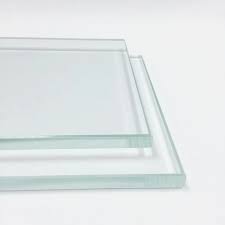
When choosing glass for windows, doors, tables, or even facades, one important question comes up: Should I go with 10mm or 12mm glass?
At first glance, the difference may look small, but in practice it makes a big impact on strength, appearance, and cost
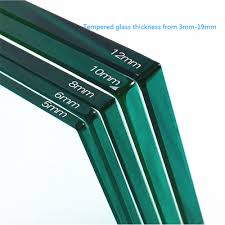
- What Does Glass Thickness Mean?
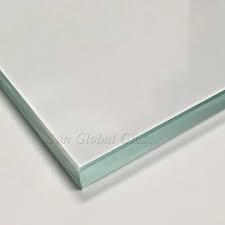
Glass thickness refers to the strength of the sheet and its ability to withstand pressure and impact. The thicker the glass, the stronger it becomes — but weight and cost also increase.
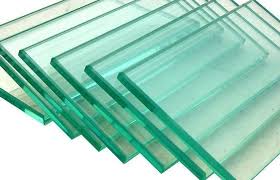
- 10mm Glass
- Advantages:
- Lighter and easier to install.
- More affordable than 12mm.
- Suitable for interior doors, tables, and glass partitions.
- Disadvantages:
- Less resistant to impact and pressure.
- Not ideal for heavy-duty or high-stress areas.
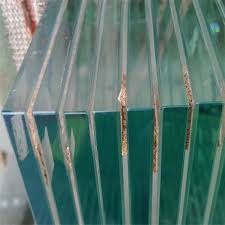
- 12mm Glass
- Advantages:
- Stronger and more durable.
- Provides a higher level of safety.
- Perfect for large facades, exterior doors, and public spaces.
- Disadvantages:
- Heavier, which makes installation more challenging.
- Higher cost.
- When to Choose Each Thickness
- Go for 10mm if you want a practical, budget-friendly option for interior use or decorative purposes.
- Go for 12mm if safety and durability are your top priorities, especially in large projects or high-traffic areas.
- Expert Tips
- Don’t rely on thickness alone; also consider the type of glass (tempered, laminated, reflective).
- Always consult your supplier or engineer before making a decision.
- Take into account the installation location, usage needs, and budget.
Conclusion:
The difference between 10mm and 12mm glass isn’t just about two numbers — it’s a decision that affects safety, aesthetics, and cost. The right choice depends on balancing durability, budget, and actual usage.