Fireproof Glass: Transparent Safety Shield
Fireproof Glass: Transparent Safety Shield
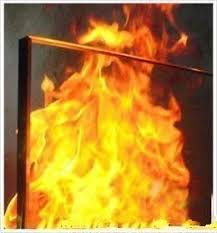
In a world where safety and protection requirements in buildings and facilities are increasing, fire-insulated glass has emerged as one of the smart and innovative solutions to prevent fire hazards, without compromising architectural beauty or natural lighting. It combines transparency and preventive function at the same time.
What is fire insulation glass?
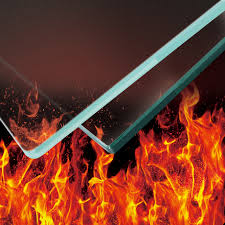
Fire insulation glass is a type of glass specially designed to resist the spread of flames, heat and smoke for specific periods, usually ranging from 30 to 120 minutes, depending on the type and thickness of the glass. During this period, the glass maintains its structure and prevents fire from moving to the other side of the barrier.
Types of fire insulation glass

Fire insulation glass is a type of glass specially designed to resist the spread of flames, heat and smoke for specific periods, usually ranging from 30 to 120 minutes, depending on the type and thickness of the glass. During this period, the glass maintains its structure and prevents fire from moving to the other side of the barrier.
Types of fire insulation glass
1.Flame resistant glass only (Integrity Glass – E)
- Prevents the passage of flames and smoke.
- It does not prevent heat transfer.
2.Temperature and Flame Resistant Glass (Integrity & Insulation Glass – EI)
- Prevents the passage of flames, smoke and heat
- It often contains multiple layers of glass with heat-insulating materials such as gel or transparent materials that react with heat.
3.Glass resistant to thermal radiation (EW)
- It limits the transmission of thermal radiation without reaching full insulation.
Mechanism of action
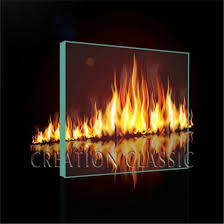
When the fire insulation glass is exposed to heat, the special inner layers (such as the gel layer or polymer layer) begin to swell or turn into a non-transparent foam, preventing the transmission of heat and light to the other side, and giving precious time to escape or intervene to extinguish the fire.
Benefits of fireproof glass
- Protection of life: It allows more time to evacuate and reduces the risk of fire and smoke transmission.
- Maintaining the architectural structure: Prevents the spread of fire without the need for hard walls that hinder visibility or light.
- Thermal and sound insulation: In some types, it provides additional heat and sound insulation.
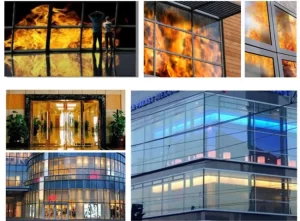
- Design aesthetics: Used in facades, doors, stairs, and corridors, without affecting the interior design.
Where is it used?
- Administrative and commercial buildings.
- Hospitals and schools.
- Hotels and malls.
- Corridors and emergency exits.
- Laboratory and server rooms.
Tips before choosing fire protection glass
1.Ensure that it complies with international standards (e.g. EN 1364, BS 476, UL).
2.Choose the appropriate type according to the installation location (door, wall, window).
3.Installation by a specialized body to ensure full effectiveness.
4.Make sure that the tires and surrounding materials are also fire-resistant.
Fireproof glass is no longer just an optional addition in building design, but an essential component of modern protection systems. Combining safety and beauty, it provides peace of mind to the residents and visitors of the building, in the face of one of the most threats to life and property: fire.